5 Best Binoculars for Alaska Cruises (October 2026)
The best binoculars for Alaska cruises include the Vortex Triumph HD 10x42 for distant wildlife, the Celestron Nature DX 8x42 for shoreline scanning, and the Vortex Crossfire HD 8x42 for deck-to-shore outings.
On this page (13 sections)
- Which binoculars are best for an Alaska cruise?
- How we chose binoculars for moving decks and shore stops
- Vortex Triumph HD 10x42: for distant wildlife
- Celestron Nature DX 8x42: for searching shorelines
- Vortex Crossfire HD 8x42: for deck and shore use
- Nikon PROSTAFF P3 8x42: for viewing with glasses
- Bushnell H2O Xtreme 10x42: for wet deck viewing
- How to choose the best binoculars for an Alaska cruise
- How to set up binoculars before your cruise
- How to find wildlife from a moving deck
- How to protect binoculars from rain, spray and condensation
- Cruise binocular mistakes worth avoiding
- Which binoculars should you take on an Alaska cruise?
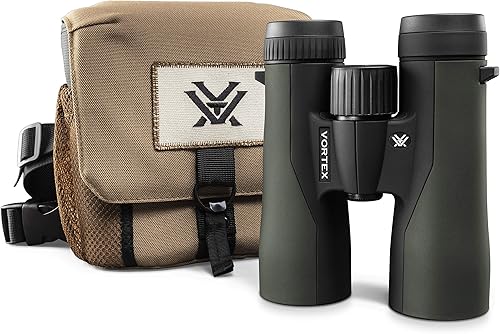
The Vortex Triumph HD 10x42 is our top pick among the best binoculars for Alaska cruises for distant wildlife and ready access with its included harness. Choose an 8x42 instead if you want easier scanning and a view that's more forgiving of hand movement.
Your main decision is how you'll watch: searching broad stretches of water from a moving deck, or studying a distant subject once you've found it. Glasses fit and carrying comfort can matter more than extra magnification.
Start with our 8x42 vs 10x42 comparison if you're choosing between powers. Our binoculars for safari guide offers another view of travel and wildlife priorities.
Our picks at a glance
-
1

-
2

-
3
Which binoculars are best for an Alaska cruise?
The Triumph suits distant viewing, while the 8x models suit travelers who want easier scanning. Choose the Nikon first for glasses fit, the Celestron for searching shorelines, or the Crossfire for a mix of deck viewing and shore walks.
The Bushnell adds a stated IPX7 level of water protection for travelers who put wet conditions first. That makes it a clear alternative to the Triumph, rather than a reason for every traveler to choose it.
Treat the order as a starting point, then match the binocular to your hardest requirement. A higher score won't help if you can't see the full view through your glasses or keep the image steady.
For uses beyond your trip, our best binoculars guide connects travel choices with birding, hiking and other outdoor viewing.
How we chose binoculars for moving decks and shore stops
We compared magnification, viewing width, eye relief, weight, weather protection and carry gear for the ways cruise passengers use binoculars. Scores reflect those features and their fit for cruise viewing.
Finding a brief wildlife sighting requires a different balance from studying a fixed landmark. A broad, manageable view helps with the first task, while extra magnification can help with the second.
We also considered what happens between sightings. Binoculars that sit within easy reach are more useful than a pair buried in your day bag, and a comfortable strap can make longer viewing sessions easier.
The comparison below highlights the main differences. For help reading the size labels, see what the numbers on binoculars mean.
| Product | Best for | Magnification and objective | Weather protection | Carry gear | Our score |
|---|---|---|---|---|---|
| Vortex Triumph HD 10x42 | distant wildlife | 10x42 | Waterproof and fogproof | Neck strap and adjustable GlassPak harness | 9.0 |
| Celestron Nature DX 8x42 | shoreline scanning | 8x42 | Waterproof and nitrogen-purged | 8.6 | |
| Vortex Crossfire HD 8x42 | deck-to-shore outings | 8x42 | Waterproof and fogproof | 8.6 | |
| Nikon PROSTAFF P3 8x42 | glasses wearers | 8x42 | Waterproof and fogproof | 8.5 | |
| Bushnell H2O Xtreme 10x42 | rainy deck days | 10x42 | IPX7 waterproof and nitrogen-purged | 8.2 |
Vortex Triumph HD 10x42: for distant wildlife
Choose the Triumph if you want extra reach without the highest carrying weight here. Its included harness also suits passengers who want binoculars close at hand during long stretches on deck.
Vortex Triumph HD 10x42: Best for distant wildlife
- 10x magnification
- 42 mm objective lenses
- Waterproof and fogproof
- Adjustable GlassPak harness included
Extra reach and an included harness suit travelers who want binoculars ready for distant wildlife. Choose it if you can hold a 10x view comfortably.
Pros
- Extra magnification for distant subjects
- Adjustable eyecups and diopter
- Includes neck strap and GlassPak harness
Cons
- More visible hand shake than an 8x view
- Less forgiving for tracking subjects from a moving deck
The 10x magnification gives distant wildlife and shoreline features a larger apparent size than the 8x choices. That helps most once you've located the subject and can hold it in view.
At 0.45 kg, the Triumph is the lightest binocular in this group. Its polycarbonate body has rubber armor, while waterproof and fogproof construction suits damp outdoor viewing.
The adjustable GlassPak harness offers a way to carry it against your body instead of leaving the full load on a neck strap. Adjust it over the outer layer you'll wear on deck so you can lift the binoculars without fighting the straps.
Adjustable eyecups and a diopter help you set the view for your eyes. Fully multi-coated lenses and an HD optical system round out the optical features.
Skip the Triumph if hand shake already makes higher magnification uncomfortable. Lower carrying weight doesn't cancel the movement visible through a more powerful view.
Vortex backs it with its transferable lifetime VIP warranty for damage or defects. Loss, theft, deliberate damage and cosmetic damage that doesn't affect performance are excluded, so keep the strap secured near the rail.
Celestron Nature DX 8x42: for searching shorelines
Choose the Nature DX if you expect to search for wildlife before studying it. Its broad view helps you follow a shoreline or relocate a bird after briefly lowering the binoculars.
Celestron Nature DX 8x42: Best for shoreline scanning
- 8x magnification
- 7.4-degree angular field of view
- Phase-coated BaK-4 prisms
- Waterproof and nitrogen-purged
A broad view helps you search shorelines and follow moving wildlife. Its close-focus ability also gives it a role on shore walks.
Pros
- Wide view for finding moving subjects
- 6.5 ft close focus
- Twist-up eyecups
Cons
- Heaviest 8x42 pick here
- Tripod adapter sold separately
The 7.4-degree angular field of view pairs with moderate magnification for scanning. A wider view gives you more surrounding scene to work with when another passenger points toward a distant splash or moving shape.
Fully multi-coated lenses and phase-coated BaK-4 prisms are its main optical features. Twist-up eyecups let you adjust the position of your eyes behind the lenses.
Its 6.5 ft close focus adds a useful role during shore walks. You can shift from distant wildlife to nearby birds, flowers or other small subjects without bringing a second optical tool.
The main drawback is carrying weight: at 1.8 lb, it's the heaviest 8x42 option here. Choose the Nikon instead if you expect to carry binoculars for hours and want less weight.
The Nature DX is also tripod-adaptable, with an adapter sold separately. Consider that feature for a fixed viewing spot on land rather than as a cure for ship movement.
Skip this model if near viewing won't matter and minimizing your day-bag load comes first. Its appeal is the combination of a broad search view and close-focus use, rather than low weight.
Vortex Crossfire HD 8x42: for deck and shore use
Choose the Crossfire if you want one binocular for deck watching and shore outings, with carry gear included. Its moderate power suits finding and following subjects without placing extra demands on your hold.
Vortex Crossfire HD 8x42: Best for deck-to-shore outings
- 8x magnification
- 7.4-degree angular field of view
- Waterproof and fogproof
- GlassPak carry gear included
A wide 8x view, rubber armor and included carry gear suit trips split between deck watching and shore walks. Glasses wearers should check the shorter eye relief carefully.
Pros
- Wide view for finding wildlife
- Rubber armor for grip
- Includes GlassPak case and neck strap
Cons
- Shorter eye relief than the other picks
- Heavier than the Nikon 8x42
The Crossfire offers the same stated angular viewing width as the Celestron, giving both a similar starting point for broad scanning. At 1.5 lb, it sits between the Celestron and Nikon in carrying weight.
Rubber armor provides grip and external protection. Nitrogen purging and O-ring seals provide waterproof and fogproof construction, while fully multi-coated lenses form part of its HD optical system.
The included GlassPak case and neck strap help with carrying between viewing spots. Set up the carry gear before leaving home so access feels familiar when a sighting happens quickly.
Its main fit concern is 14 mm of eye relief, the shortest figure among these picks. Glasses wearers should pay close attention to whether the frame of the view remains visible without pushing the binoculars against their lenses.
Skip the Crossfire if glasses keep your eyes too far from the eyepieces. Choose the Nikon for that need, or the Celestron if close-focus viewing is a stronger priority.
Vortex provides the same VIP warranty described for the Triumph. That support is useful for a binocular intended for continued outdoor use after the cruise.
Nikon PROSTAFF P3 8x42: for viewing with glasses
Choose the Nikon if you want room behind the eyepieces for your glasses. Its lower weight among the 8x choices also suits travelers who expect to carry binoculars through long shore excursions.
Nikon PROSTAFF P3 8x42: Best for glasses wearers

- 8x magnification
- 20.2 mm eye relief
- Turn-and-slide eyecups
- Weighs 1.3 lb
Long eye relief makes this the first option to consider if you keep glasses on while viewing. It also has the lowest carrying weight among these 8x42 models.
Pros
- Longest eye relief in this group
- Lightest 8x42 pick
- Central focus wheel and adjustable eyecups
Cons
- Less reach than the 10x picks
- Narrower stated angular view than the Celestron and Crossfire
The PROSTAFF P3 has 20.2 mm of eye relief, the longest in this group. Turn-and-slide eyecups let you adjust eye position, although the right setting still depends on your face and frames.
At 1.3 lb, it's the lightest 8x42 here. A fiberglass-reinforced polycarbonate body and rubber armor provide its structure and grip.
Its view spans 377 ft at 1,000 yd, leaving room to search a shoreline while keeping magnification manageable. The central focus wheel handles changes between subjects at different distances.
Multilayer-coated lenses and a silver-alloy prism coating are its optical features. O-ring seals and nitrogen purging provide waterproof and fogproof construction for outdoor use.
Skip it if your main goal is making already located, distant subjects appear larger and you can hold higher power comfortably. The Triumph and Bushnell serve that need more directly.
Choose it over the Crossfire when eye position is the deciding factor. A slightly broader view is less useful if glasses prevent you from seeing its edges.
Bushnell H2O Xtreme 10x42: for wet deck viewing
Choose the Bushnell if you want a stated IPX7 level of water protection alongside extra reach. It suits travelers who place accidental water exposure high on their list of concerns.
Bushnell H2O Xtreme 10x42: Best for rainy deck days

- 10x magnification
- IPX7 waterproof protection
- Nitrogen-purged optical system
- Soft non-slip grips
Choose this for distant views when a stated IPX7 level of water protection is a priority. Its soft non-slip grips are useful when conditions turn damp.
Pros
- IPX7 protection against accidental submersion
- Fully multi-coated optics and BaK-4 prisms
- Includes case, strap and lens covers
Cons
- Higher magnification shows more hand movement
- Heavier than the Triumph
The H2O Xtreme uses an O-ring-sealed optical system and nitrogen purging. Bushnell describes its IPX7 protection as suitable for accidental submersion, though keeping it secured and out of the water remains the sensible approach.
Soft non-slip grips and rubber armor give you contact surfaces suited to damp handling. The included case, strap and lens covers cover the basics for carrying and storage.
Its 6.8-degree angular field of view provides context around distant subjects. Fully multi-coated glass surfaces and BaK-4 prisms are part of its optical system.
At 709 g, it's heavier than the Triumph. That difference matters if you want binoculars around your neck for much of the day, even when weather protection is your main concern.
Skip the Bushnell if a shaky view is your biggest problem. Water protection doesn't make its higher magnification easier to hold steady.
Choose it when the explicit water-protection level matters more than the Triumph's lower weight and included harness. Both serve distant viewing, so your carry preference helps settle the choice.
How to choose the best binoculars for an Alaska cruise
Choose around steady viewing, fast subject finding and comfortable fit, then compare extras. Those three needs determine how much useful detail you'll actually see from the deck.
Is 8x or 10x better for Alaska cruise binoculars?
Choose 8x for easier scanning and 10x for a larger view of subjects you've already found. Higher magnification enlarges visible movement as well as the animal or landscape.
If binoculars are new to you, moderate power is the more forgiving starting point. It helps when you're trying to follow a moving bird while also responding to the ship's motion.
Higher power makes more sense if you mainly watch distant shorelines and can maintain a steady hold. It won't cut through fog, bring back detail hidden by haze or guarantee that distant wildlife becomes identifiable.
Why does field of view matter on deck?
A broad field of view helps you find subjects quickly and keep nearby landmarks in sight. That's useful when you have only a short window to locate a surfacing animal.
Compare angular measurements with angular measurements, or distance widths measured at the same range. Don't treat a larger-looking number in a different unit as proof of a wider view.
Once you've found a subject, its surroundings also help you relocate it after lowering the binoculars. Note a patch of shoreline, a rock or another fixed feature rather than searching the whole scene again.
How much eye relief do glasses wearers need?
Choose enough eye relief to see the full view while keeping your glasses comfortably in place. The measurement is a starting point; frame shape and the distance between your eyes and lenses affect the result.
Keep glasses on if you need them to correct astigmatism. Focusing a binocular can compensate for some differences in near or distance focus, but it doesn't replace every part of a glasses prescription.
Don't accept persistent black edges, blackouts or the need to press hard against your frames. Adjust the eyecups and hinge first, then consider a different fit.
Are 42 mm binoculars worth the space?
A 42 mm model is a practical full-size choice if wildlife viewing is part of the trip. The front lenses offer a useful balance between light-gathering area and bulk, though the whole optical design affects the view.
All five choices share that lens diameter, so weight, fit and carry method are more helpful ways to separate them. None becomes pocket-sized simply because it weighs less.
Try the binoculars over your rain jacket and with your day bag. A strap arrangement that feels fine indoors can become awkward once collars, hoods and shoulder straps compete for space.
How to set up binoculars before your cruise
Set the hinge width, eyecups and focus for your eyes before your first wildlife sighting. A few calm minutes at home make quick viewing much easier later.
Start by adjusting the hinge until the two circles merge into one clear view. If you still see two overlapping circles, correct the width before changing focus.
Set the eyecups lower when wearing glasses and extend them as needed without glasses. Small adjustments can remove blackouts and help you see the edge of the view.
On a center-focus binocular with a diopter adjustment, focus one eye with the main wheel, then use the diopter to match the other eye. Follow the model's instructions for the correct side and adjustment sequence.
After that, use the main focus control as subjects move closer or farther away. Our guide to focusing binoculars walks through the process.
Practice raising the binoculars while keeping your eyes on a small outdoor landmark. Recheck the settings if you share them, since another person's eye spacing and diopter needs may differ.
How to find wildlife from a moving deck
Find the subject with your unaided eyes first, then raise the binoculars without shifting your gaze. Searching through a magnified view from the start makes it easier to lose your bearings.
Use both hands and keep your elbows close to your body. Relax your shoulders so muscle tension doesn't add more movement.
Choose a safe position with stable footing and room to lower the binoculars. Don't lean over the rail or step backward while your eyes are covered.
A rail can sometimes support your arms, but ship vibration can travel through it. Avoid pressing the binocular body directly against a hard vibrating surface.
Scan in sections and pause rather than sweeping quickly across the whole horizon. Lower the binoculars between scans to rest your eyes and regain a broad view.
For distant shoreline wildlife, use nearby landmarks to guide the search. For subjects that disappear underwater, keep track of the last location while checking the surrounding area without magnification.
If looking through binoculars makes you feel unwell, stop and look at the horizon without them. Resume only when comfortable.
How to protect binoculars from rain, spray and condensation
Keep binoculars secured, covered between sightings and dry before storage. Waterproof construction protects the sealed body, while careful handling keeps the outside lenses usable.
Fogproof construction helps prevent moisture from forming inside the optics. It doesn't stop rain droplets or condensation from covering the outer glass.
When moving from a cool deck into a warm cabin, leave cold binoculars in their closed case or a dry sealed bag while they warm gradually. This reduces their immediate exposure to warm, moist indoor air.
Don't polish away salt spray with a dry cloth. Salt and grit can scratch coatings, so follow the manufacturer's cleaning instructions and remove loose material before wiping.
Use a clean optical cloth and lens-safe cleaning supplies rather than a sleeve or tissue. Our binocular cleaning guide explains the cleaning order.
Let damp straps and cases dry before packing everything away. Keep binoculars away from direct heater airflow, and avoid sealing wet gear in a bag for the rest of the trip.
For more on the limits of weather protection, read our guide to waterproof and fogproof binoculars.
Cruise binocular mistakes worth avoiding
The biggest mistake is buying more magnification than you can use comfortably. A smaller subject held steadily often gives you more useful viewing time than a larger one that keeps moving out of sight.
Leaving binoculars in the cabin
Keep them accessible during planned wildlife viewing. A brief sighting may be over before you can return to your room or search the bottom of a backpack.
Fasten the strap securely before going on deck. Lens covers should also be easy to remove without juggling loose pieces near the rail.
Treating a tripod as a fix for ship movement
A tripod steadies your hands, but it still moves with the deck beneath it. It also takes space and can create an obstacle in busy viewing areas.
The Celestron and both Vortex models are tripod-adaptable. Pack a compatible adapter only if you have a clear use for supported viewing, especially on stable ground.
Watching through cabin glass when you can safely go outside
View from an open outdoor area when conditions allow. Window reflections, dirt and condensation can reduce clarity even when the binocular lenses are clean.
If you must stay inside, choose the clearest pane and avoid aiming through bright reflections. Don't mistake window-related blur for a focus problem.
Sharing without resetting the fit
Recheck hinge width, eyecups and diopter settings when passing binoculars between people. A pair set for someone else can seem blurry or uncomfortable even when nothing is wrong with it.
If frequent sharing becomes awkward, agree on who watches first and reset before the next sighting. Avoid turning every control at once while trying to locate a moving animal.
Which binoculars should you take on an Alaska cruise?
Choose the best binoculars for your Alaska cruise by solving your main viewing need first. Use this decision list to settle the choice:
- Triumph: choose it for distant wildlife, lower overall weight and an included harness.
- Nature DX: choose it for shoreline searches and close-up nature viewing during shore walks.
- Crossfire: choose it for broad scanning, outdoor carry gear and trips split between deck and land.
- PROSTAFF P3: choose it first if you wear glasses or want the lightest 8x option here.
- H2O Xtreme: choose it if stated IPX7 water protection is a priority for your distant viewing.
Before packing, confirm that you can see the full view, focus quickly and carry the binoculars over your outdoor clothing. If magnification is the last unresolved choice, use our 8x42 vs 10x42 comparison to match reach with the hold you can maintain.
Our top 3 picks at a glance
-
1
-
2
-
3
Frequently asked questions
Are 8x or 10x binoculars better for an Alaska cruise?
Choose 8x for easier scanning from a moving deck, especially if you struggle to hold binoculars steady. Choose 10x for a larger view of distant wildlife when you can brace comfortably.
Neither power removes ship motion, and extra magnification won't reveal detail hidden by fog or poor visibility.
Do Alaska cruise binoculars need to be waterproof?
Waterproof binoculars are a sensible choice because rain and sea spray can reach exposed viewing areas. Fogproof construction helps prevent condensation inside the optics, but outside lens surfaces can still mist over.
Our guide to waterproof and fogproof binoculars explains the difference and why both features help.
Can I use binoculars while wearing glasses?
Yes, if the eye relief and eyecup position let you see the full view without pressing against your frames. The Nikon PROSTAFF P3 is the strongest starting point here for that need.
Our guide to binoculars for glasses wearers explains how to check fit before your trip.
What do 8x42 and 10x42 mean?
The first number is magnification, while 42 is the front lens diameter in millimeters. A 10x model makes a subject appear larger than an 8x model, but also magnifies movement more.
Our guide to binocular numbers explains how lens size and power affect your choice.