6 Best Binoculars for Hiking (October 2026)
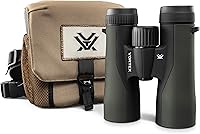
The best binoculars for hiking include the Vortex Triumph HD 10x42 for distant trail views, the Vortex Crossfire HD 8x42 for frequent wildlife stops, and the Celestron Outland X 8x42 for relaxed nature walks.
On this page (10 sections)
- Which binoculars for hiking fit each kind of trail?
- The best binoculars for hiking, by use
- How should you choose binocular magnification for a hike?
- Is 8x32 or 8x42 better for hiking?
- How do you check hiking binoculars for glasses fit?
- What carry features help on hiking trails?
- Do hiking binoculars need to be waterproof and fogproof?
- How to focus binoculars before you set out
- What mistakes make hiking binoculars harder to use?
- Which hiking binoculars should you choose?
The best binoculars for hiking for most people are the Vortex Triumph HD 10x42, especially if distant views and an included carry harness matter. Choose an 8x pair for easier handheld viewing, or a compact model when walking takes priority over long viewing stops.
A good trail pair needs to suit both your eyes and your packing habits. Extra magnification is little help if the image shakes, and a full-size binocular won't help you spot wildlife while it's buried beneath your rain jacket.
Start with our binoculars guide for birding, hunting and travel if you're choosing your first pair. Our 8x42 vs 10x42 binoculars comparison explains the main power choice in more detail.
Our picks at a glance
-
1

-
2
-
3
Which binoculars for hiking fit each kind of trail?
Choose by your most common hike, rather than the most demanding trip you might take someday. Frequent viewing favors an accessible full-size pair; long walking days make smaller binoculars more appealing.
Vortex Triumph HD 10x42: Best for distant trail views
- 10x magnification
- 42mm objective lenses
- Waterproof and fogproof
- GlassPak harness included
Choose this full-size pair for distant overlooks and a ready-to-carry setup with an adjustable GlassPak harness.
Pros
- GlassPak harness and neck strap included
- Adjustable eyecups and diopter
- Waterproof and fogproof
Cons
- Full-size body needs dedicated carry space
- Higher magnification makes hand shake more visible
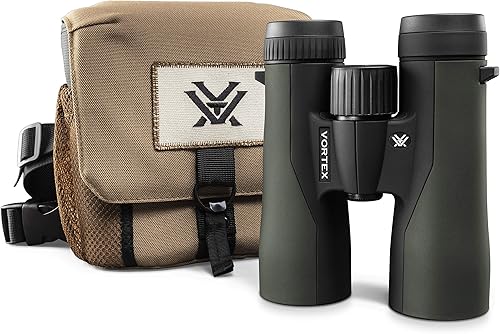
Vortex Crossfire HD 8x42: Best for frequent wildlife stops
- 8x magnification
- 42mm objective lenses
- Fully multi-coated lenses
- GlassPak harness included
An 8x option for hikers who stop often to follow wildlife and want a harness included with their binoculars.
Pros
- Lower power helps with handheld steadiness
- GlassPak harness included
- Rubber armor and sealed construction
Cons
- More weight than the compact picks
- 14 mm eye relief can limit glasses fit
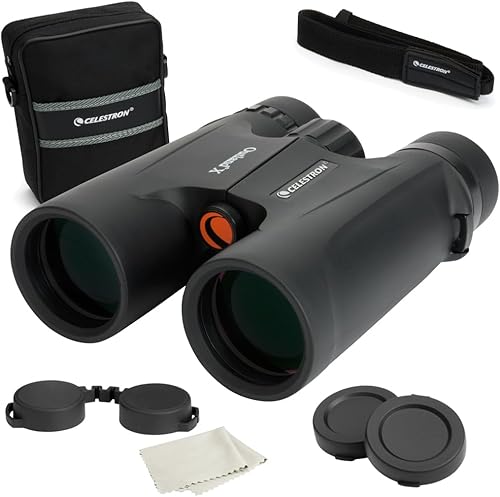
Celestron Outland X 8x42: Best for relaxed nature walks
- 8x magnification
- 42mm objective lenses
- BaK-4 prisms
- Waterproof and nitrogen-purged
A full-size choice for shorter nature walks where viewing comfort matters more than trimming pack weight.
Pros
- 17.8 mm eye relief
- Multi-coated optics and BaK-4 prisms
- Case and neck strap included
Cons
- Heaviest pair in this group
- Tripod adapter is not included
Vortex Diamondback HD 8x32: Best for longer day hikes

- 8x magnification
- 32mm objective lenses
- 15.9 oz
- Armortek exterior lens coating
A middle-size option for hikers who want an easy-to-steady view while reducing the bulk of a full-size pair.
Pros
- Smaller format than the 42mm picks
- Adjustable eyecups and right-eye diopter
- Armortek exterior lens coating
Cons
- Smaller exit pupil than an 8x42
- Harness is not included
Vortex Triumph HD 10x28: Best for sunny ridge walks

- 10x magnification
- 28mm objective lenses
- 12.8 oz
- Waterproof and fogproof
A compact option for daytime overlooks when you want higher magnification without a full-size body.
Pros
- Compact body
- Case and neck strap included
- Adjustable eyecups and diopter
Cons
- Small exit pupil needs careful eye placement
- Higher power makes hand shake more noticeable
Nikon Trailblazer II 8x25: Best for occasional trail viewing

- 8x magnification
- 25mm objective lenses
- 10.9 oz
- Folding design
A folding pair for hikers who want binoculars available for brief daytime stops without reserving much pack space.
Pros
- Lowest weight in this group
- Folding design
- Multi-position turn-and-slide eyecups
Cons
- Small objectives favor daytime use
- 10 mm eye relief can restrict the view with glasses
AtticAlmanac compared magnification, lens size, carrying weight, weather protection and included gear. The order reflects overall hiking fit, while the individual recommendations help you choose for your route.
| Product | Best for | Magnification and lens | Weight | Weather protection | Our score |
|---|---|---|---|---|---|
| Vortex Triumph HD 10x42 | distant trail views | 10x42 | 0.45 kg | Waterproof and fogproof | 9.0 |
| Vortex Crossfire HD 8x42 | frequent wildlife stops | 8x42 | 1.5 lb | Waterproof and fogproof | 8.6 |
| Celestron Outland X 8x42 | relaxed nature walks | 8x42 | 1.8 lb | Waterproof and fogproof | 8.0 |
| Vortex Diamondback HD 8x32 | longer day hikes | 8x32 | 15.9 oz | Waterproof and fogproof | 7.5 |
| Vortex Triumph HD 10x28 | sunny ridge walks | 10x28 | 12.8 oz | Waterproof and fogproof | 7.0 |
| Nikon Trailblazer II 8x25 | occasional trail viewing | 8x25 | 10.9 oz | Waterproof and fogproof | 6.8 |
The best binoculars for hiking, by use
Match each pair to how you stop and look: distant overlooks, moving wildlife or quick daytime sightings. The highest-scoring option isn't automatically the right choice for a hiker who rarely raises binoculars.
Best binoculars for hiking with a harness: Vortex Triumph HD 10x42
Vortex Triumph HD 10x42: Best for distant trail views
- 10x magnification
- 42mm objective lenses
- Waterproof and fogproof
- GlassPak harness included
Choose this full-size pair for distant overlooks and a ready-to-carry setup with an adjustable GlassPak harness.
Pros
- GlassPak harness and neck strap included
- Adjustable eyecups and diopter
- Waterproof and fogproof
Cons
- Full-size body needs dedicated carry space
- Higher magnification makes hand shake more visible
The Triumph is the first choice for distant trail views when you want a complete carry setup. Its included adjustable GlassPak harness keeps you from having to choose a separate harness before your first outing.
The fully multi-coated optics and HD optical system accompany a rubber-armored polycarbonate body. Vortex describes the construction as shockproof, and the adjustable eyecups and diopter let you set the view for your eyes.
This pair makes sense for hikes with planned stops across valleys, along shorelines or at open overlooks. Take a moment to settle your breathing and brace your elbows before trying to pick out a small subject.
Skip it if most sightings happen close to the trail or you dislike holding a magnified image steady. The Crossfire's lower power is a better match for that pattern, while a smaller body suits hikers who only want a brief look now and then.
Vortex Crossfire HD 8x42 for frequent wildlife stops
Vortex Crossfire HD 8x42: Best for frequent wildlife stops
- 8x magnification
- 42mm objective lenses
- Fully multi-coated lenses
- GlassPak harness included
An 8x option for hikers who stop often to follow wildlife and want a harness included with their binoculars.
Pros
- Lower power helps with handheld steadiness
- GlassPak harness included
- Rubber armor and sealed construction
Cons
- More weight than the compact picks
- 14 mm eye relief can limit glasses fit
The Crossfire suits hikers who raise binoculars often to follow birds or watch animals move through vegetation. Its lower magnification makes small hand movements less distracting than with a comparable higher-power view.
Fully multi-coated lenses, rubber armor and sealed construction support outdoor use. A GlassPak harness is included, so this is another option for keeping binoculars available between stops.
The main trade-off is carrying weight: at 1.5 lb, it deserves a planned place in your kit. It makes more sense when wildlife watching is part of the day's purpose than when binoculars are an emergency extra.
Glasses wearers should pay attention to its 14 mm eye relief. That distance can make it harder to see the full image through glasses, depending on your frames and face shape.
Skip the Crossfire if a smaller pair would let you carry more comfortably on steep climbs. Choose it when easy handheld viewing matters more than keeping the binoculars small.
Celestron Outland X 8x42 for relaxed nature walks
Celestron Outland X 8x42: Best for relaxed nature walks
- 8x magnification
- 42mm objective lenses
- BaK-4 prisms
- Waterproof and nitrogen-purged
A full-size choice for shorter nature walks where viewing comfort matters more than trimming pack weight.
Pros
- 17.8 mm eye relief
- Multi-coated optics and BaK-4 prisms
- Case and neck strap included
Cons
- Heaviest pair in this group
- Tripod adapter is not included
The Outland X fits shorter walks with generous viewing time, especially when you aren't trying to minimize every ounce. At 1.8 lb, it is the heaviest pair here and a poor match for a strict pack-weight target.
Its multi-coated optics use BaK-4 prisms, while the rubber-armored housing gives your hands a gripping surface. Celestron includes a carrying case, neck strap, lens cloth and lens covers.
The 17.8 mm eye relief makes this worth considering if you keep glasses on while viewing. Fit still depends on your frames, so look for a complete circular image without pressing the binoculars against your lenses.
It also suits longer viewing stops from a fixed position because it accepts a tripod adapter, though the adapter is separate. Most hikers can leave that extra gear behind and brace their arms instead.
Skip this pair for long mileage when viewing is secondary. Its place is on nature walks where you expect to spend time looking rather than keep moving.
Vortex Diamondback HD 8x32 for longer day hikes
Vortex Diamondback HD 8x32: Best for longer day hikes
- 8x magnification
- 32mm objective lenses
- 15.9 oz
- Armortek exterior lens coating
A middle-size option for hikers who want an easy-to-steady view while reducing the bulk of a full-size pair.
Pros
- Smaller format than the 42mm picks
- Adjustable eyecups and right-eye diopter
- Armortek exterior lens coating
Cons
- Smaller exit pupil than an 8x42
- Harness is not included
The Diamondback is the middle-size choice for longer walks when you want more than a tiny folding pair. At 15.9 oz, it reduces carrying weight compared with the full-size 8x models here.
Its fully multi-coated optics include dielectric coating. Vortex says the Armortek exterior coating protects the lenses against scratches, oil and dirt, though you should still remove grit before wiping them.
Twist-up eyecups and a right-eye diopter help you set a comfortable view. The included case and neck strap cover basic carrying needs, but a harness is separate.
Choose this pair when binoculars are a regular part of the hike without being the main reason for going. The format is a useful compromise for walkers who stop often but don't want a full-size body on their chest.
Skip it if your main viewing happens near dusk, when larger objectives at the same magnification offer an advantage. It also isn't the smallest option for occasional daylight sightings.
Vortex Triumph HD 10x28 for sunny ridge walks
Vortex Triumph HD 10x28: Best for sunny ridge walks
- 10x magnification
- 28mm objective lenses
- 12.8 oz
- Waterproof and fogproof
A compact option for daytime overlooks when you want higher magnification without a full-size body.
Pros
- Compact body
- Case and neck strap included
- Adjustable eyecups and diopter
Cons
- Small exit pupil needs careful eye placement
- Higher power makes hand shake more noticeable
The compact Triumph suits bright, open trails where you want a closer view of distant subjects without a full-size body. Its 12.8 oz weight makes it easier to justify as an extra on a walking-focused trip.
It has adjustable rubber eyecups, a diopter and a rubber-armored polycarbonate chassis. A neck strap and deluxe carry case are included.
The important compromise is its 2.8 mm exit pupil, the small circle of light that reaches each eye. Careful eye placement matters, and the combination favors daylight rather than long sessions in dim woods.
Higher power also calls for a deliberate viewing stop. Brace your elbows against your torso or a safe support instead of trying to inspect a faraway subject immediately after a hard climb.
Skip this pair if you mostly watch nearby movement, struggle with image shake or often hike at dawn. Choose it for compact reach when the light is good and you can take time to steady the view.
Nikon Trailblazer II 8x25 for occasional trail viewing
Nikon Trailblazer II 8x25: Best for occasional trail viewing
- 8x magnification
- 25mm objective lenses
- 10.9 oz
- Folding design
A folding pair for hikers who want binoculars available for brief daytime stops without reserving much pack space.
Pros
- Lowest weight in this group
- Folding design
- Multi-position turn-and-slide eyecups
Cons
- Small objectives favor daytime use
- 10 mm eye relief can restrict the view with glasses
The Trailblazer fits hikers who want binoculars available without planning the day around them. Its folding body and 10.9 oz weight, the lowest here, suit brief stops during an otherwise active walk.
Multilayer-coated lenses and multi-position turn-and-slide eyecups provide the basic viewing setup. Rubber armoring adds a gripping surface, and a case and neck strap are included.
Think of this as a daytime companion for checking a distant landmark or pausing at a viewpoint. Smaller objectives are a reasonable trade when portability determines whether you'll bring binoculars at all.
The main fit concern is 10 mm eye relief. Despite Nikon's broader comfort claims, that measurement makes this a cautious choice for anyone who needs to keep glasses on.
Skip it for extended viewing in fading light or if your hands find small binoculars awkward to hold. Choose it when a folding shape will keep the binoculars in your kit instead of at home.
How should you choose binocular magnification for a hike?
Start with 8x for general trail use, and choose 10x when distant detail is a clear priority. More power makes a subject look larger, but it also enlarges the movement of your hands.
On wooded trails, you often need to find a subject quickly before it moves behind a branch. A steady view and good aim can help more than extra magnification in that situation.
Open country gives higher power a clearer purpose. You have more chances to stop, locate a subject with your eyes and then inspect it through the binoculars.
After a steep climb, pause until your breathing settles. A lower-power view is often easier to use when you're tired, cold or holding binoculars in wind.
Don't assume power alone determines field of view. Optical design matters too, and angle measurements need matching definitions before you compare them.
Read how far you can see with 10x42 binoculars to set realistic expectations. Recognizing a distant animal depends on its size, the light and the air between you, not just the number on the binoculars.
Is 8x32 or 8x42 better for hiking?
Choose 8x32 when carrying comfort leads, and 8x42 when dim-light viewing deserves more space in your kit. A compact pair goes further toward portability but asks for more compromise during long viewing sessions.
The first number is magnification; the second is objective lens diameter in millimeters. Our guide to what binocular numbers mean explains how those figures work together.
At equal magnification, larger objectives create a larger exit pupil. That can help in low light and give your eyes more room to stay aligned behind the eyepieces.
In bright daylight, your pupils narrow, so that extra light may matter less. A smaller binocular can then be a sensible choice, especially when you're mostly walking between brief views.
Weight alone doesn't describe carrying comfort. Body shape, how the binoculars sit against your chest and whether they fit your chosen pocket all affect how often you'll use them.
For an all-day route, pack your normal water and clothing before deciding how much room remains for optics. For a slow wildlife walk, give the binoculars a higher share of the carrying space.
How do you check hiking binoculars for glasses fit?
Check whether you can see the full circular image with your glasses on, without forcing the eyepieces against the lenses. Eye relief is a useful starting point, but frames and face shape affect the final fit.
Glasses usually call for lowered eyecups so your eyes can sit closer to the correct viewing position. Without glasses, raised eyecups often help hold your eyes at the right distance.
Dark crescents or a clipped view can mean your eyes are too far away or off-center. Blackouts can also happen when you're too close, so adjust in small steps rather than pressing harder.
If you have astigmatism, keeping your glasses on may give a clearer view. A diopter balances focus between your eyes; it doesn't replace every part of a glasses prescription.
Check the view while wearing the sunglasses you'll take hiking, too. Our guide to binocular eye relief explains why the same binocular can fit one pair of frames better than another.
What carry features help on hiking trails?
Keep binoculars reachable without letting them swing into rocks or block your pack straps. The best carry method is one you can use comfortably with your normal hiking gear.
A chest harness spreads the load and keeps the binoculars in a predictable place. Check that its straps don't bunch beneath your backpack shoulder straps or rub under a loaded pack.
A neck strap is simple for short walks and frequent stops. Adjust it so the binoculars don't bounce against your belt or hit the ground when you bend forward.
A compact case in an accessible pocket works for occasional viewing. Avoid burying it beneath spare layers, where each sighting becomes a packing job.
Put on your pack, zip your jacket and reach for the binoculars before leaving home. This quick check reveals strap conflicts and awkward access while you can still change the setup.
Stop on stable ground before looking, especially near water or a drop. Lower the binoculars before moving, and never look at the sun through them.
Do hiking binoculars need to be waterproof and fogproof?
Both features are useful for hiking, where rain, wet leaves and temperature changes can reach your gear. All 6 picks have waterproof and fogproof construction, but that doesn't establish a shared water-depth or exposure limit.
Waterproof sealing protects against water entering the body. Internal fog protection addresses moisture inside the binoculars, while condensation can still form on the outer glass.
If the lenses fog after moving between warm and cold air, give the binoculars time to adjust. Rubbing repeatedly won't solve the temperature difference.
Keep covers on during wet stretches when you aren't viewing. Afterward, dry the body and let the binoculars air out before closing them inside a case.
Our guide to whether waterproof and fogproof binoculars are worth it explains the distinction further. Treat weather protection as a reason to carry binoculars outdoors, while still giving them normal care.
How to focus binoculars before you set out
Set barrel spacing, eyecups and diopter before the hike, then use the center wheel for subjects at different distances. A correct setup saves time when wildlife appears briefly.
- Set the eyecups. Start lower with glasses and higher without them, then adjust until the view is complete and comfortable.
- Adjust barrel spacing. Move the barrels together or apart until both eyes see one round image.
- Find the diopter control, if provided. Follow your model's instructions to focus one eye with the center wheel and balance the other with the diopter.
- Recheck with both eyes. Use a clear, still subject and avoid changing several controls at once.
Choose something with a sharp edge, such as a distant sign or branch. Don't use a moving animal to make the initial adjustments.
Once the diopter is set, leave it alone during normal viewing. If you share the binoculars, note your setting so you can restore it afterward.
Our guide to focusing binoculars walks through the process. Before your trip, also practice finding an object with your eyes and raising the binoculars without turning your head.
What mistakes make hiking binoculars harder to use?
Avoid choosing by power alone, carrying binoculars out of reach and wiping dusty lenses dry. These habits can matter more than a small difference between optical features.
Chasing the highest magnification often leaves a hiker with a larger-looking but shakier image. Buy for the distance and viewing conditions you meet regularly.
Don't bring a tripod just because the binoculars accept one. It earns its place for planned, extended viewing, while most moving hikes benefit more from a simple carry setup and steady posture.
Wiping dust with a shirt can drag grit across the glass. Remove loose particles first, then use a suitable lens cloth and lens-cleaning method.
Keep that cloth clean and separate from sandy pockets. Our binocular cleaning guide explains how to remove dirt without grinding it into the lens surface.
After a damp hike, don't leave the binoculars sealed in a wet case. Open the case and let everything dry before storage.
Which hiking binoculars should you choose?
The best binoculars for hiking are the pair that fit your usual route and stay easy to reach. Make the final choice around your viewing habits rather than one standout feature.
- Choose the Triumph HD 10x42 for distant overlooks and an included harness.
- Choose the Crossfire HD 8x42 for frequent wildlife stops and easier handheld viewing.
- Choose the Outland X 8x42 for relaxed nature walks when carrying weight is less pressing.
- Choose the Diamondback HD 8x32 for longer walks where a middle-size body makes sense.
- Choose the Triumph HD 10x28 for compact reach on bright, open trails.
- Choose the Trailblazer II 8x25 for occasional daytime views and a folding carry shape.
Before ordering, settle your glasses fit and decide where the binoculars will ride with your pack. If the same pair will serve scouting trips, compare these choices with our best binoculars for hunting guide.
Our top 3 picks at a glance
-
1
-
2
-
3
Frequently asked questions
Are 8x or 10x binoculars better for hiking?
8x is the better starting point for general hiking because hand movement is less visible than at 10x. Choose 10x for distant wildlife or overlooks where you can stop and brace your arms.
Field of view also depends on the binocular design, so compare that separately from magnification.
Are 10x42 binoculars too heavy for hiking?
A 10x42 pair can suit hiking if you use it often and have a comfortable carry setup. Consider its place alongside your water, clothing and other gear.
For occasional views during a long walk, a smaller pair may earn its pack space more easily than a full-size model.
What binocular size is best for hiking?
8x32 is a useful middle ground for hikers who want manageable bulk and easy handheld viewing. Choose an 8x42 for more viewing in dim conditions, or a compact pair for brief daytime stops.
The best size is one you can carry within reach rather than leave buried in your pack.
Do hiking binoculars need to be waterproof?
Waterproof construction is worth choosing for hiking, where rain and wet vegetation can reach your gear. Internal fog protection is useful too, but it won't prevent moisture from forming on the outer lenses.
Keep the covers handy, wipe moisture from the body and let the binoculars dry before closing the case.
Can I use binoculars while walking?
Stop walking before raising binoculars and choose a stable place away from trail edges. Magnification narrows your awareness of roots, rocks and other people, so lower the binoculars before moving.
If you need a better view, move to a safe position first instead of stepping sideways while looking through them.