5 Best Binoculars for Deer Hunting (October 2026)
The best binoculars for deer hunting include the Vortex Triumph HD 10x42 for mobile hunters, the Vortex Crossfire HD 10x42 for fixed overlooks, and the Bushnell H2O Xtreme 10x42 for wet hunts.
On this page (10 sections)
- How we chose the best binoculars for deer hunting
- Which deer-hunting binoculars fit each use?
- What magnification works well for deer hunting?
- What matters when deer move at dawn or dusk?
- Do deer hunters need waterproof and fogproof binoculars?
- What should you check before buying hunting binoculars?
- How should you set up binoculars before a deer hunt?
- How do you glass for deer without losing the animal?
- How should you clean and store hunting binoculars?
- Which binoculars should you choose for deer hunting?
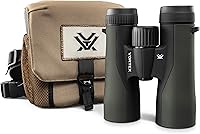
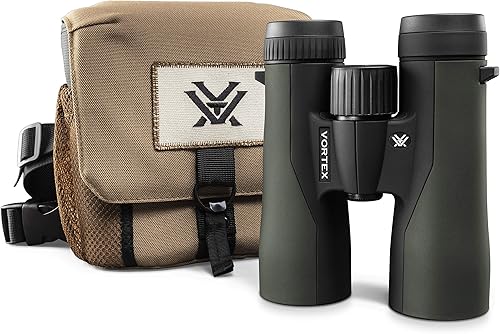
The Vortex Triumph HD 10x42 is our top pick among the best binoculars for deer hunting for its included harness, adjustable viewing settings and weather protection. Start there if you move between stands, field edges and overlooks and want a ready-to-carry package.
Your hunting ground should decide the format. Open fields reward distant detail, while thick woods put more value on finding deer quickly and holding a calm view.
If you are still deciding on magnification, our guide to 8x42 vs 10x42 binoculars explains the trade-off. For a wider set of hunting options, see the best binoculars for hunting.
Our picks at a glance
-
1

-
2
-
3

How we chose the best binoculars for deer hunting
We prioritized carry access, weather protection, eye fit and support options because those features affect repeated use during a hunt. Optical coatings matter, but binoculars also need to reach your eyes quickly and stay comfortable through slow scans.
All five picks use the full-size 10x42 format. This is a focused shortlist for hunters who want more distant detail, rather than a reason to rule out lower magnification.
The order favors complete hunting packages and useful field features. A lower-ranked model can still be your better choice when its eye relief or weather features solve a specific need.
We did not use broad brightness claims to declare an optical winner. Coating names and lens size alone cannot establish which binocular will reveal the most detail at dusk.
For a broader overview of sizes and uses, start with our binoculars guide for birding, hunting and travel.
| Product | Best for | Lens coating | Eye relief | Weather protection | Our score |
|---|---|---|---|---|---|
| Vortex Triumph HD 10x42 | mobile hunters | Fully multi-coated | 17mm | Waterproof and fogproof | 9.0 |
| Vortex Crossfire HD 10x42 | fixed overlooks | Fully multi-coated | 15mm | Waterproof and fogproof | 8.7 |
| Bushnell H2O Xtreme 10x42 | wet hunts | Fully multi-coated | 17mm | IPX7 waterproof and nitrogen purged | 8.2 |
| Celestron Outland X 10x42 | occasional hunters | Multi-coated | 15mm | Waterproof and nitrogen purged | 7.8 |
| Bushnell Engage X 10x42 | glasses wearers | Fully multi-coated with EXO Barrier | 18mm | IPX7 waterproof and nitrogen filled | 7.7 |
Which deer-hunting binoculars fit each use?
Choose the Triumph HD for mobile hunting, the Crossfire HD for long supported sessions and the H2O Xtreme for frequent wet conditions. The Outland X fits occasional use, while the Engage X deserves the first fit check if you wear glasses.
Each model below has a clear reason to buy it and a reason to choose something else. Focus on the need that comes up during most of your hunts.
Vortex Triumph HD 10x42: Best for mobile hunters
- Fully multi-coated lenses
- Waterproof and fogproof
- GlassPak harness included
- Tripod adaptable
The included adjustable GlassPak harness makes this a practical starting point for hunters who move between spots. Adjustable eyecups and a diopter help you fit the view to your eyes.
Pros
- Adjustable GlassPak harness included
- Adjustable eyecups and diopter
- Tripod adaptable
Cons
- Full-size format takes pack space
- 10x magnification benefits from a braced hold
The Triumph HD makes the most sense for a hunter who walks between viewing spots and wants binoculars within easy reach. Its adjustable GlassPak harness gives you a carry option from the start, without planning a separate harness setup.
For deer hunting, that access matters when a short pause beside a trail turns into a chance to inspect an opening. Adjust the harness before leaving so you can raise the binoculars without lifting the whole carrier or catching your clothing.
The binoculars have fully multi-coated lenses and a rubber-armored polycarbonate chassis. Adjustable eyecups and a diopter let you set the view for your eyes, while tripod adaptability leaves room for longer sessions from a fixed spot.
Buy it for a complete mobile setup, especially if your current routine involves leaving binoculars in a pack. Vortex backs it with its transferable lifetime VIP warranty, which excludes loss, theft, deliberate damage and cosmetic damage that does not affect performance.
Skip this format if most sightings are close and you struggle to steady higher magnification. A harness improves carry, but it cannot make a shaky view easier to read.
Vortex Crossfire HD 10x42: Best for fixed overlooks
- HD optical system
- Tripod and window-mount compatibility
- Waterproof and fogproof
- GlassPak harness included
Tripod or vehicle window-mount support suits hunters who spend long sessions watching distant terrain. A center focus wheel and right-eye diopter provide separate focus and eye-balance adjustments.
Pros
- Supports tripod or window-mount use
- Twist-up eyecups
- GlassPak harness included
Cons
- 15mm eye relief needs a careful glasses-fit check
- Mounting support needs its own carry space
The Crossfire HD is a strong fit for hunters who settle into an overlook and watch the same terrain for an extended period. It supports tripod or vehicle window-mount use, giving you ways to reduce the effort of holding binoculars at eye level.
A steady platform can make subtle movement easier to notice because the background stops moving with your hands. It also lets you pause, look away and return to the same patch of cover with less searching.
Its center focus wheel adjusts both barrels, while the right-eye diopter balances differences between your eyes. Rubber armor, nitrogen purging and O-ring seals suit outdoor use, and the included GlassPak harness covers the walk to your viewing spot.
Choose it when support is part of your plan, rather than assuming it provides more reach than the other picks. Its magnification is the same as the rest of this group.
Skip it if glasses keep your eyes too far from the eyepieces to see the full view. Also avoid carrying a tripod by habit if your hunts involve only brief handheld checks.
Bushnell H2O Xtreme 10x42: Best for wet hunts
- IPX7 waterproof protection
- Nitrogen purged
- Fully multi-coated lenses
- BaK-4 prisms
IPX7 waterproof protection and soft non-slip grips suit hunters who regularly cross wet ground or brush. The included strap, case and lens covers provide a basic carry and storage setup.
Pros
- IPX7 waterproof protection
- Soft non-slip grips
- Strap, case and lens covers included
Cons
- 709 g adds to carried gear
- No harness in the included package
The H2O Xtreme is the clearest fit for hunters who regularly deal with wet brush, rain or waterside access. Its IPX7 waterproof protection gives it a defined water-resistance standard, and Bushnell describes the sealed optical system as able to withstand accidental submersion.
That protection is useful insurance when a crossing or dropped pack gets gear wet. It is not a reason to store the binoculars damp or leave exposed lenses covered with dirty water.
Fully multi-coated glass surfaces and BaK-4 prisms form the optical package. Rubber armor and soft non-slip grips are useful when you need to keep hold of the binoculars with damp hands.
The included strap, case and lens covers cover basic transport and protection. Choose this model when water exposure drives the decision, then decide whether the supplied strap suits your walking distance.
At 709 g, it adds a noticeable item to your carried gear. Skip it if your main concern is keeping a long walking setup light, or if you want a harness included in the box.
Celestron Outland X 10x42: Best for occasional hunters
- Multi-coated lenses
- BaK-4 prisms
- Waterproof and nitrogen purged
- Tripod adapter threads
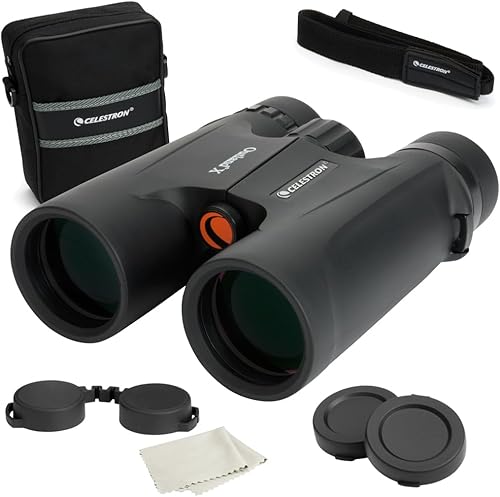
A straightforward option for occasional hunts and other wildlife viewing, with a case, strap and protective covers included. Built-in threads allow tripod use with a separate adapter.
Pros
- BaK-4 prisms
- Protective covers and carrying case included
- Tripod adapter threads
Cons
- Tripod adapter not included
- 15mm eye relief needs a careful glasses-fit check
The Outland X suits someone who hunts occasionally and also watches wildlife on other outings. It combines multi-coated lenses, BaK-4 prisms and weather sealing with a case, neck strap, lens covers and rainguard.
Its tripod adapter threads provide a way to add support later. The adapter is separate, so plan the whole mounting setup before a hunt where you expect to glass from one spot.
The 5.5° angular field of view is worth considering if you spend much of your time searching cover. A wider view can make it easier to relocate a deer after lowering the binoculars, though handling and fit also affect that task.
Choose it for straightforward mixed outdoor use, with the option to build a supported setup over time. Set the eyecups and eye spacing carefully before deciding whether the view feels comfortable.
Skip it if you want an included harness or a mount-ready package without another accessory. Glasses wearers should also check for clipped edges in the view rather than assuming the eyecups alone will solve fit.
Bushnell Engage X 10x42: Best for glasses wearers

- EXO Barrier exterior lens coating
- IPX7 waterproof protection
- 18mm eye relief
- Tripod compatible
The longest eye relief in this group makes the Engage X the first fit check for hunters who keep their glasses on. Bushnell's EXO Barrier coating also helps address water and dirt on exterior lenses.
Pros
- 18mm eye relief
- EXO Barrier exterior lens coating
- Twist-up eyecups
Cons
- 620 g still needs a comfortable carry setup
- No harness in the included package
The Engage X deserves attention from hunters who keep their glasses on while glassing. Its 18mm eye relief is the longest here, giving it a useful starting advantage for fit, although glasses shape and lens spacing still matter.
Twist-up eyecups let you adjust eye position. Check the view with your actual hunting glasses, including prescription sunglasses if you use them in open country.
Bushnell says its EXO Barrier exterior coating repels water, oil, fog, dust and debris. That feature addresses exposed lens surfaces, while IPX7 waterproof protection and nitrogen filling address a different concern: moisture entering the binoculars.
Choose it for glasses fit and exterior lens protection, rather than expecting a coating to remove every need for cleaning. Its 620 g weight still calls for a comfortable carry arrangement during long walks.
Skip it if your main goal is an included harness. For another brand matchup, see our Vortex vs Nikon binoculars comparison, or use our binoculars buying guide to narrow down the features that matter most.
What magnification works well for deer hunting?
Choose 10x for open ground and 8x for easier handheld scanning in close cover. More magnification enlarges the deer, but it also enlarges movement from your hands.
Across a field or clear-cut, extra image size can help you examine a deer that you have already found. In tangled woods, finding the animal and keeping it in view may matter more than enlarging it.
Field of view varies by model, so two binoculars with the same magnification can feel different when you sweep a tree line. Avoid choosing power alone and assuming the rest of the viewing experience will match.
If you often stand without support, pay attention to how long you can hold a useful view. Compare other sizes in our guide to choosing binoculars before deciding that 10x fits your style of hunting.
Are 10x42 binoculars good for deer hunting?
10x42 binoculars work well for deer hunting across open terrain when you can brace the view. The format balances distant image size with lenses large enough for general outdoor use.
The numbers also let you work out exit pupil: divide objective diameter by magnification. These models have a 4.2mm exit pupil, but that shared number does not make their dusk performance identical.
Light transmission, glare control, focus accuracy and your own eyes also affect what you can see. Shade, haze and branches can hide details long before magnification becomes the limit.
Our guide to how far you can see with 10x42 binoculars explains why there is no single useful viewing distance.
What matters when deer move at dawn or dusk?
Prioritize a steady, well-focused view and honest detail recognition in fading light. Bigger image size helps only while you can still separate the animal from its background.
Fully multi-coated optics are common in this group, but a coating label is not a measured comparison of low-light performance. Do not choose a model solely because its description uses a stronger brightness phrase.
At an evening field edge, begin watching while there is enough light to learn the scene. Identify stumps, pale grass and branches so you are less likely to mistake them for a deer later.
Focus on a likely travel area, then make small changes as you scan nearer or farther. Repeatedly turning the wheel through its full range wastes time and makes it harder to compare one patch of cover with another.
If you cannot resolve the detail you need, treat it as unknown. Binoculars help you observe deer, but they do not extend legal hunting hours or establish a clear shooting lane by themselves.
Do deer hunters need waterproof and fogproof binoculars?
Waterproof and fogproof construction is worth prioritizing for wet or changing conditions. Water protection concerns the sealed body, while fogproof construction helps limit condensation inside it.
All five picks include weather protection. The two Bushnell models specify IPX7 waterproof protection, which is more useful than relying on a broad weather-ready description alone.
External fog is a separate issue. Cold lenses can fog when exposed to warm, moist air, including your breath, even when the binoculars are sealed against internal moisture.
Avoid breathing onto eyepieces in cold weather, and give optics time to adjust after a temperature change. Keep the eyepieces covered during rain so you do not start each scan looking through droplets.
An exterior water-repellent coating can help droplets shed, but it does not replace a cover. For more detail, read whether waterproof and fogproof binoculars are worth it.
What should you check before buying hunting binoculars?
Check eye fit, carry comfort and mounting needs before minor feature differences. A binocular that cuts off your view or stays buried in your pack will be a poor match regardless of its optical labels.
Check the view with your hunting glasses
Eye relief is the distance your eyes can sit behind the eyepieces while still seeing the full view. Glasses use some of that space, so the shape and position of your frames affect fit.
The Triumph HD and H2O Xtreme provide 17mm of eye relief; the Crossfire HD and Outland X provide 15mm. Longer eye relief gives glasses wearers more room, but no single number guarantees a comfortable fit.
Look for a complete circular view without dark edges or frequent blackouts. Adjust the eyecups and barrel spacing before deciding that you need a different model.
Plan how you will carry them
A neck strap is simple for short walks, while a harness can spread the load and control movement against your chest. Fit matters more than tightening every strap as far as possible.
Wear the carrier over the layers you expect to hunt in. Check that you can raise the binoculars while seated and that the strap does not catch on a jacket collar or pack strap.
Plan the entire support setup
Tripod compatibility does not mean a tripod and adapter come with the binoculars. Check the attachment and required adapter before relying on support for a long session.
The Triumph HD, Crossfire HD, Outland X and Engage X support tripod use. Leave room in your gear plan for the support itself, and choose it only if the steadier view justifies carrying it.
How should you set up binoculars before a deer hunt?
Set barrel spacing, eyecups and the diopter before heading into the field. Once those fit your eyes, normal distance changes should need only the main focus control.
- Set barrel spacing. Move the barrels together or apart until the two views form one clean circle, rather than overlapping circles.
- Adjust the eyecups. Start with them lowered if you wear glasses and raised if you do not, then adjust for a full view without blackouts.
- Set the main focus. Pick a stationary, detailed object and follow the binocular's instructions for focusing the side without the diopter adjustment.
- Balance the other eye. Use the diopter to sharpen that side without moving the main focus, then look through both barrels.
- Check your carry position. Raise and lower the binoculars several times while wearing your hunting layers, including gloves.
Keep both eyes relaxed during adjustment rather than squeezing one shut hard. Covering an objective with its cap or your hand can help isolate each side without straining your face.
If several people share the binoculars, each person may need a different diopter setting. Our guide to focusing binoculars walks through the process in more detail.
How do you glass for deer without losing the animal?
Scan in a repeatable pattern and brace before inspecting detail. Quick, random sweeps are more likely to skip cover and make it hard to return to a possible sighting.
Start with your unaided eyes to locate movement and likely travel routes. Then raise the binoculars while keeping your attention on a fixed landmark beside the area.
Divide the scene into manageable sections and overlap each pass slightly. In woods, inspect openings between trunks and look for partial shapes, such as an ear or a short section of back.
After spotting a deer, note a nearby landmark before lowering the binoculars. A forked tree or pale stump is easier to relocate than an animal that has taken several steps.
Rest your elbows on your knees or another stable surface when possible, without leaning against anything unsafe. Use short viewing breaks to reduce arm fatigue and keep your search deliberate.
For distant inspection from a fixed position, a spotting scope may serve a different role. Binoculars remain useful for finding deer before switching to a narrower, higher-power view.
How should you clean and store hunting binoculars?
Remove loose grit before wiping lenses, and dry the binoculars before closing the case. Rubbing mud or dust across glass can damage coatings even when the body is well protected.
Use a blower or soft optical brush for loose particles. Then follow the brand's instructions for lens-safe fluid and a clean lens cloth, using light pressure.
Avoid shirt sleeves, tissues pulled from dirty pockets and a cloth that has collected sand. Keep the lens cloth in a separate clean pouch so it remains useful when you need it.
After a wet hunt, dry the outside and let straps and the carrier air out. Do not seal damp gear in a warm case or put it beside a strong heat source to speed drying.
Replace the covers before packing, and store the binoculars where they cannot knock against hard gear. Our binocular lens-cleaning guide explains the cleaning order and tools in more detail.
Which binoculars should you choose for deer hunting?
The best binoculars for deer hunting are the ones that match your main viewing problem. Choose the Triumph HD for a mobile carry package, the Crossfire HD for supported observation or the H2O Xtreme for frequent wet exposure.
Choose the Outland X for occasional hunts and mixed wildlife use if its eye fit works for you. Start with the Engage X if you wear glasses and need more room behind the eyepieces.
Avoid the common mistake of buying more magnification to solve a poor hold, incorrect focus or dirty lenses. Fix those first, then decide whether you need a different optical format.
If most of your hunting is in thick cover, revisit the choice between 8x and 10x before committing to this shortlist. Our best binoculars for hunting roundup gives you more options to match your terrain.
Our top 3 picks at a glance
-
1
-
2
-
3
Frequently asked questions
Are 10x42 binoculars good for deer hunting?
Yes, 10x42 binoculars suit deer hunting across fields, clear-cuts and other open ground where distant detail matters. They need a steady hold, especially during long viewing sessions.
Brace your elbows before adding more magnification, and consider 8x if most of your hunting involves close cover and quick scans.
Are 8x or 10x binoculars better for deer hunting?
Choose 8x for easier handheld scanning in woods and 10x for more detail across open ground. Field of view varies by model, so magnification is only part of the choice.
Our 8x42 vs 10x42 comparison explains the trade-offs in shake, scanning and viewing comfort.
Do hunting binoculars need to be waterproof?
Waterproof construction is a sensible choice for deer hunting in rain, snow or wet brush. Fogproof construction addresses moisture inside the binoculars, while exposed lenses can still fog or collect droplets.
Keep the lenses covered between viewing sessions, and let damp binoculars dry before closing them inside a case.
Should I use a spotting scope for deer hunting?
Use a spotting scope when you need closer inspection of distant deer from a fixed position. Binoculars are better suited to repeated scanning and following movement with both eyes.
Our binoculars vs spotting scope guide explains which tool fits your terrain, carry load and time spent watching.